by admin | Nov 21, 2024 | Tree Health, Tree Services, Trees
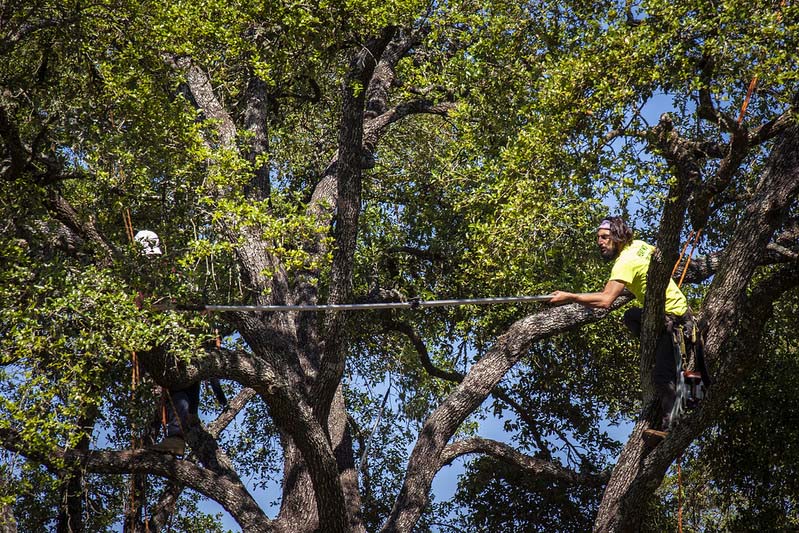
Healthy trees enhance the beauty of your property, provide shade, and improve air quality. However, maintaining their health requires expert care. Professional tree health services near me contractors offer specialized knowledge and tools to diagnose, treat, and maintain trees effectively. This article explains the importance of tree health services, what they involve, and how to choose the best contractors for your needs.
The Importance of Tree Health Services
Trees are living organisms that face various environmental challenges, such as diseases, pests, and changing weather conditions. Regular tree health care prevents issues before they become severe. Healthy trees grow stronger, live longer, and contribute to a safer environment.
Benefits of Tree Health Services
- Disease Prevention and Management
Tree health services identify early signs of diseases and implement treatments. Preventative care stops the spread of infections, protecting other trees on your property.
- Enhanced Safety
Dead or weak branches pose risks to people and property. Regular health assessments ensure structural stability, reducing hazards.
- Improved Aesthetics
Healthy trees maintain vibrant foliage and robust growth, elevating the visual appeal of landscapes.
- Environmental Contributions
Thriving trees improve air quality, combat climate change, and provide habitats for wildlife.
What Do Tree Health Services Near Me Contractors Offer?
Tree health services cover a range of solutions tailored to individual trees and landscapes. These services address common issues while promoting overall tree vitality.
Key Services Offered
- Tree Health Assessments
Contractors inspect trees for signs of disease, pests, and structural issues. They analyze soil conditions and environmental factors to create a personalized care plan.
- Fertilization and Soil Management
Trees rely on nutrient-rich soil for optimal growth. Professionals apply fertilizers and improve soil quality through aeration and organic treatments.
- Disease and Pest Control
Arborists diagnose infections and infestations, using eco-friendly treatments to resolve issues without harming the environment.
- Pruning for Health
Removing dead, diseased, or overcrowded branches improves air circulation and light penetration, promoting healthier growth.
- Cabling and Bracing
Weak branches or trunks require additional support. Contractors install cables or braces to reinforce trees, preventing breakage during storms.
- Tree Removal and Replacement
When a tree becomes a safety risk or beyond saving, contractors safely remove it and recommend suitable replacements.
How Tree Health Services Near Me Contractors Work
Professional contractors follow a structured process to ensure comprehensive tree care. Understanding their approach highlights the value of their expertise.
The Tree Health Service Process
- Initial Consultation
The contractor assesses the property, identifying specific tree health concerns and discussing your goals.
- Diagnosis and Analysis
Arborists conduct detailed inspections, evaluating soil health, pest activity, and visible symptoms.
- Customized Treatment Plan
Based on their findings, the contractor creates a tailored care plan that addresses immediate and long-term tree health needs.
- Implementation
The team applies treatments, installs support systems, or removes hazardous branches as needed.
- Ongoing Monitoring
Regular follow-ups ensure treatments are effective and allow adjustments based on tree growth and environmental changes.
Choosing the Best Tree Health Services Near Me Contractors
Selecting the right contractor guarantees quality service and reliable results. Here are essential factors to consider:
1. Experience and Credentials
Look for certified arborists with proven expertise in tree health care. Memberships in organizations like the International Society of Arboriculture (ISA) indicate professionalism.
2. Comprehensive Services
Ensure the contractor offers a full range of tree health services, from pruning to pest control and disease management.
3. Customer Reviews
Online reviews and testimonials provide insights into the contractor’s reliability and service quality.
4. Eco-Friendly Practices
Contractors who prioritize sustainability use environmentally safe treatments and promote biodiversity.
5. Transparent Pricing
Request a detailed estimate that outlines costs for services, ensuring there are no hidden fees.
Signs Your Trees Need Professional Attention
Recognizing early warning signs allows you to act before problems escalate. Watch for the following indicators of poor tree health:
- Discolored Leaves: Yellowing, browning, or premature leaf drop often signals nutrient deficiencies or disease.
- Visible Pests: Insects like aphids or bark beetles can cause extensive damage.
- Fungal Growth: Mushrooms or unusual growths on the trunk may indicate internal decay.
- Dead Branches: Broken or dry limbs compromise tree stability and safety.
- Leaning or Cracks: Structural issues require immediate evaluation.
The Long-Term Impact of Getting Professional
Investing in professional tree care delivers lasting benefits for your property and the environment. Healthy trees contribute to biodiversity, reduce energy costs by providing shade, and increase property value. Moreover, maintaining tree health reduces the likelihood of emergency removals, saving time and money in the long run.
Professional tree health services near me contractors ensure that your trees thrive, offering expertise in disease prevention, pest control, and structural support. These services not only improve tree health but also enhance safety, aesthetics, and environmental sustainability. Choosing the right contractor means securing the long-term vitality of your trees while enjoying a beautiful, safe landscape. Take proactive steps today by partnering with trusted experts for all your tree care needs.
by admin | Apr 23, 2024 | Landscaping
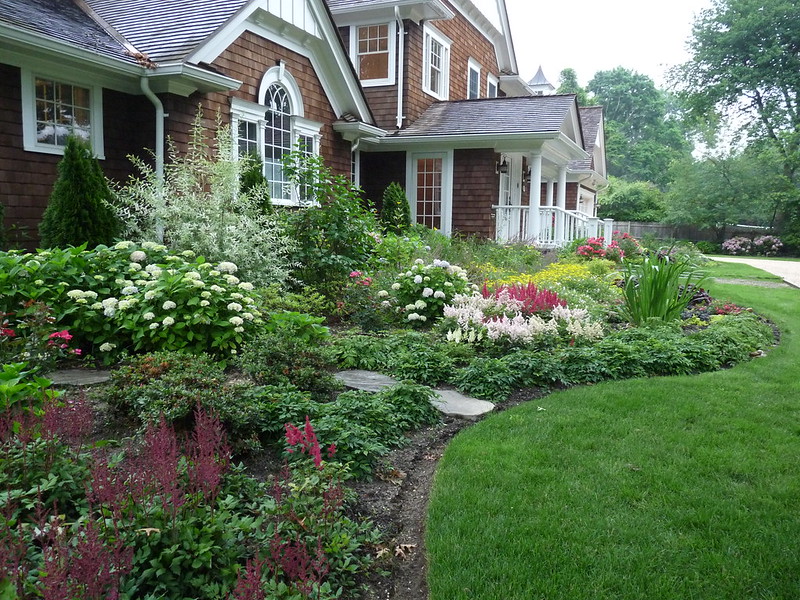
Billerica offers the canvas, and we at Billerica Backyard Landscaping provide the brush strokes to create your outdoor masterpiece. Our premier services focus on turning your backyard into a sanctuary of relaxation and style. We understand the potential of outdoor spaces and are dedicated to realizing your vision.
Visualize stepping into your backyard, surrounded by flourishing foliage, vibrant blooms, and meandering paths that beckon exploration. Also, our seasoned team of landscapers excels at crafting this picturesque scene. We prioritize collaboration with you at every stage, from initial concept development to the finishing touches. Lastly, this comprehensive approach ensures that every element of your outdoor area reflects your unique preferences and complements your lifestyle.
Enhance Your Billerica Residence with Expert Backyard Landscaping Solutions
The process of elevating your outdoor sanctuary commences with a consultation. We place great importance on fostering transparent communication and collaboration to ensure your utmost satisfaction throughout the journey. Upon finalizing the design phase, our proficient landscapers meticulously carry out each step, from ground excavation to meticulous planting. Employing top-tier materials and flora, we guarantee that your outdoor haven endures the passage of time with grace.
Enhance Your Outdoor Enjoyment with Continuous Maintenance
We’re dedicated to seamlessly blending indoor and outdoor living. Our offerings include personalized fire pits, outdoor kitchens, water features, and lighting solutions, enriching your backyard experience. In addition, our dedication to excellence goes beyond installation—we provide consistent maintenance to ensure your outdoor space remains pristine throughout the year.
In summary, for those seeking to enhance their Billerica home with exceptional backyard landscaping, consider exploring the services offered by Billerica Backyard Landscaping. Take the initiative today to schedule a consultation and begin transforming your backyard into a personal sanctuary.
by admin | Apr 19, 2024 | Tree Removal, Trees
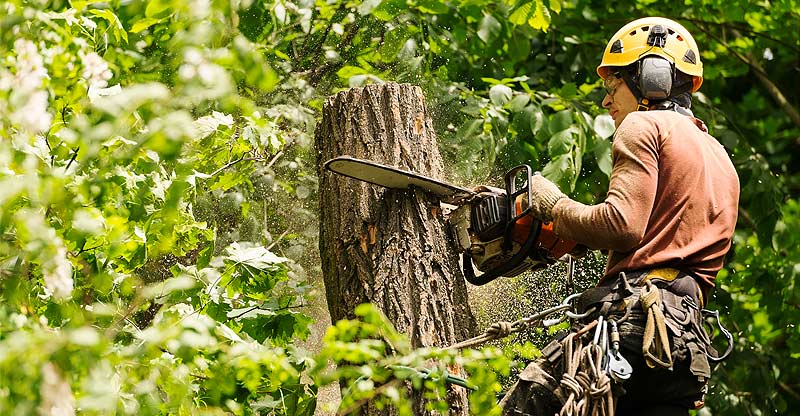
When considering tree removal, prioritizing safety is paramount. The choice of tree removal service significantly impacts property security and the well-being of those involved. From assessing qualifications to exploring payment options, here’s a guide to ensuring safety and finding the ideal removal service for your requirements.
Prioritizing Safety: Selecting the Ideal Tree Removal Service
Selecting a service provider demands thorough thought to guarantee property safety and the well-being of all parties. Commence by researching local tree removal firms and verifying their credentials. Seek out certifications such as ISA (International Society of Arboriculture) or TCIA (Tree Care Industry Association), showcasing proficiency and adherence to industry norms.
Next, evaluate the company’s experience and track record. How long have they been in business? Do they have positive reviews and testimonials from satisfied customers? Experience matters when it comes to handling tree removal projects safely and efficiently.
Before hiring a tree removal service, it’s essential to assess their safety protocols and equipment. Do they follow OSHA (Occupational Safety and Health Administration) guidelines? Are their workers trained in proper tree removal techniques and equipped with the necessary safety gear? Asking these questions can help ensure that the job is done safely and without incident.
Furthermore, it’s essential to assess the insurance coverage of the company. A trustworthy tree removal service should possess liability insurance to shield you from potential property damage or injuries throughout the job. Prior to engaging a company for tree removal on your premises, don’t hesitate to request proof of insurance.
Flexibility and Peace of Mind: Exploring Payment Plans
Once you’ve found a tree removal service that meets your safety standards, it’s time to consider payment options. Tree removal can be a significant expense, especially for large or hazardous trees. Fortunately, many tree removal companies offer flexible payment plans to accommodate their customers’ budgets.
Prior to finalizing a payment plan, ensure to thoroughly review the terms and conditions with the tree removal company. Familiarize yourself with the initial payment amount and inquire about available installment options. While some companies provide interest-free payment plans, others may levy a modest fee to facilitate spreading the cost over time.
Selecting a tree removal service offering flexible payment options can offer reassurance, ensuring affordability without financial strain. Whether opting for lump sum payments or installment plans, prioritizing safety remains paramount in tree removal endeavors.

by admin | Mar 20, 2024 | Tree Health, Trees
In the domain of environmental guardianship, few duties rival the importance of safeguarding the health of our trees. Comprehending the nuances of tree healthcare is paramount to sustaining the vigor and enduring presence of our arboreal companions. This piece endeavors to elucidate the intricacies of tree healthcare while highlighting the indispensable role fulfilled by the arboreal doctor.
Unlocking the Secrets of Tree Healthcare
Embarking on the voyage to comprehend tree healthcare mandates a firm grasp of its foundational principles. At its essence, tree healthcare embraces a comprehensive strategy aimed at nurturing and preserving the well-being of trees. This entails a harmonious blend of proactive actions, ranging from meticulous watering and fertilization to precise pruning and vigilant pest management, all tailored to address the unique requirements of individual tree.
Now, let’s delve deeper into the intricate world of tree healthcare and explore the significance of the arboreal doctor in safeguarding our arboreal ecosystems.
Just as human health requires the expertise of medical professionals, trees rely on the expertise of arborists, often referred to as the arboreal doctor. These skilled individuals possess a profound understanding of arboriculture—the science and art of cultivating and managing trees. Their role extends far beyond mere tree maintenance; they are custodians of our green spaces, ensuring the vitality and resilience of our arboreal landscapes.
Now that we’ve uncovered the essence of the arboreal doctor’s role, let’s examine the key responsibilities they undertake to promote tree health and well-being.
The Role of the Arboreal Doctor
Arboreal doctors commence their work with thorough assessments of tree health, conducting visual inspections and diagnostic tests to identify any signs of distress or disease. Armed with their expertise, they have also develop tailored treatment plans to address specific issues, whether it be nutrient deficiencies, pest infestations, or structural weaknesses.
With their proactive approach and meticulous attention to detail, arboreal doctors serve as invaluable guardians of our arboreal ecosystems.
In addition to diagnosis and treatment, arboreal doctors play a pivotal role in preventive care. Additionally, through regular maintenance practices such as pruning, they mitigate potential hazards and promote optimal tree growth. Moreover, they offer valuable insights to property owners on proper tree care techniques, empowering communities to become proactive stewards of their green spaces.
In the face of the intricate dynamics within contemporary urban settings, the significance of arboreal doctors’ expertise grows ever more indispensable. Lastly, They play a pivotal role in addressing the myriad challenges posed by factors like pollution, climate change, and urbanization.
In summary, tree healthcare serves as a fundamental pillar of environmental preservation, with arboreal doctors leading the charge. By demystifying the concept of tree healthcare and recognizing the pivotal role of these professionals, we foster a heightened appreciation for the crucial ecosystems trees sustain. Through collective effort and dedication to sustainable practices, we pave the way for a future characterized by lush greenery and enhanced well-being for future generations.
by admin | Dec 20, 2023 | Landscaping, Tree Services
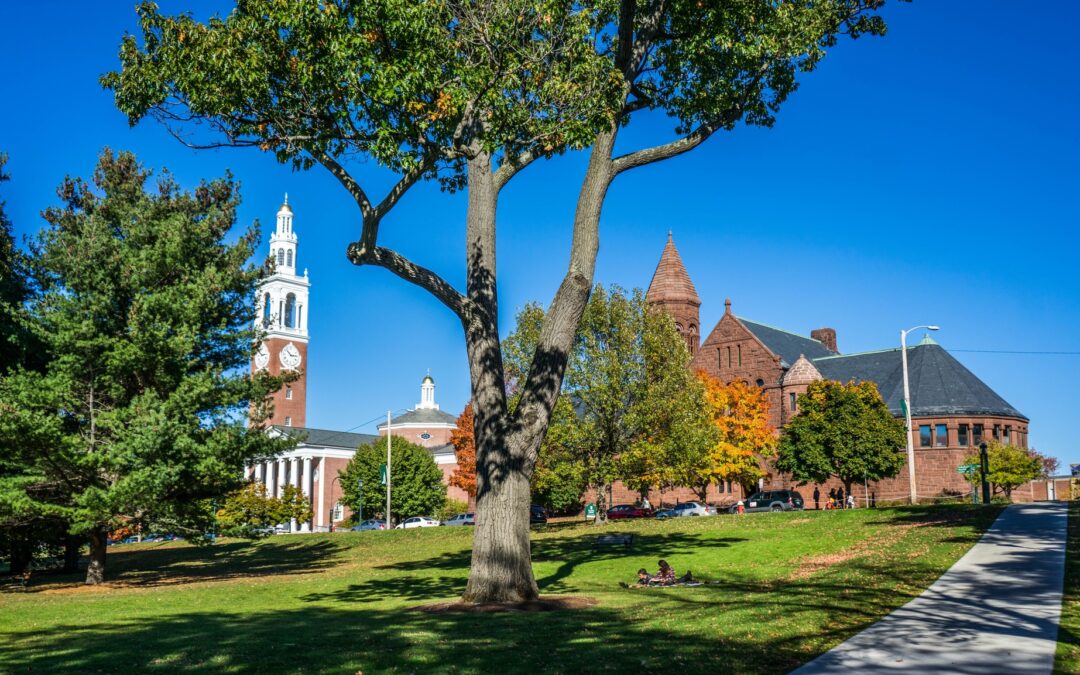
Nestled in the vibrant community, the challenge of optimizing compact areas. Landscaping in Burlington MA finds its answer in imaginative and people-centric solutions. Homeowners desire a visually appealing yard. But a personalized sanctuary, a retreat within the confines of their own property.
Landscaping for small spaces goes beyond fitting elements within limited boundaries. It is an art form, a bespoke approach that considers unique lifestyles and preferences of each owner. Whether you’re a nature enthusiast or some one seeking a tranquil escape, you can transform a yard into a customized masterpiece.
Crafting Your Oasis: The Perfect Marriage of Landscaping and Hardscaping
The essence of effective small yard landscaping lies in seamlessly blending greenery with hardscaping elements. Picture a meticulously designed patio adorned with vibrant planters and cozy seating area, inviting you to unwind under the open sky. Ultimately harmonizing landscaping and hardscaping.
In Burlington, landscaping professionals understand the significance of creating green spaces that align with the homeowner’s vision. Selecting the right plant varieties that thrive in the local climate to designing low-maintenance hardscaping features is important. It is about bringing nature and comfort together in harmony. Ultimately, ensuring your small yard becomes an extension of your living space.
When transitioning effortlessly, hardscaping becomes a vital part of the landscaping narrative. Imagine strolling through your garden on intricately paved pathways. The view connects you with nature without sacrificing elegance. In Burlington, landscaping professionals excel in using pavers to create functional and visually appealing pathways that amplify the charm of small yards.
Stepping into Comfort: Personalized Landscaping with Pavers in Burlington, MA
Pavers offer a versatile solution, transforming the ordinary into the extraordinary. In small spaces, where every inch matters, these interlocking pieces become a canvas for creativity. From establishing a charming garden border to creating a defined space for outdoor gatherings, pavers are the key to maximizing both functionality and style.
Burlington’s landscaping experts shine in designing paver features that align with the homeowner’s lifestyle. Whether it’s a cozy seating area, a picturesque pathway, or a stylish deck, the goal is to infuse your personality.. Pavers does not only elevate the aesthetics. It also provide durability, ensuring your outdoor haven withstands the test of time and weather.
When it comes to landscaping for small spaces in Burlington, it’s not just about design; it’s about a people-centric approach. Every homeowner has a unique story, and their outdoor space should be a reflection of that narrative. The collaboration between homeowners and landscaping professionals is a journey. This shared effort creates a personalized retreat that speaks to the soul.
In the heart of Burlington, where community values and individual preferences intersect, landscaping becomes a celebration of personal style and comfort. Embrace the transformative power of tailored landscaping, and let your small space blossom into a haven that resonates with your essence
by admin | Sep 22, 2023 | Arborist, Tree Removal, Tree Services
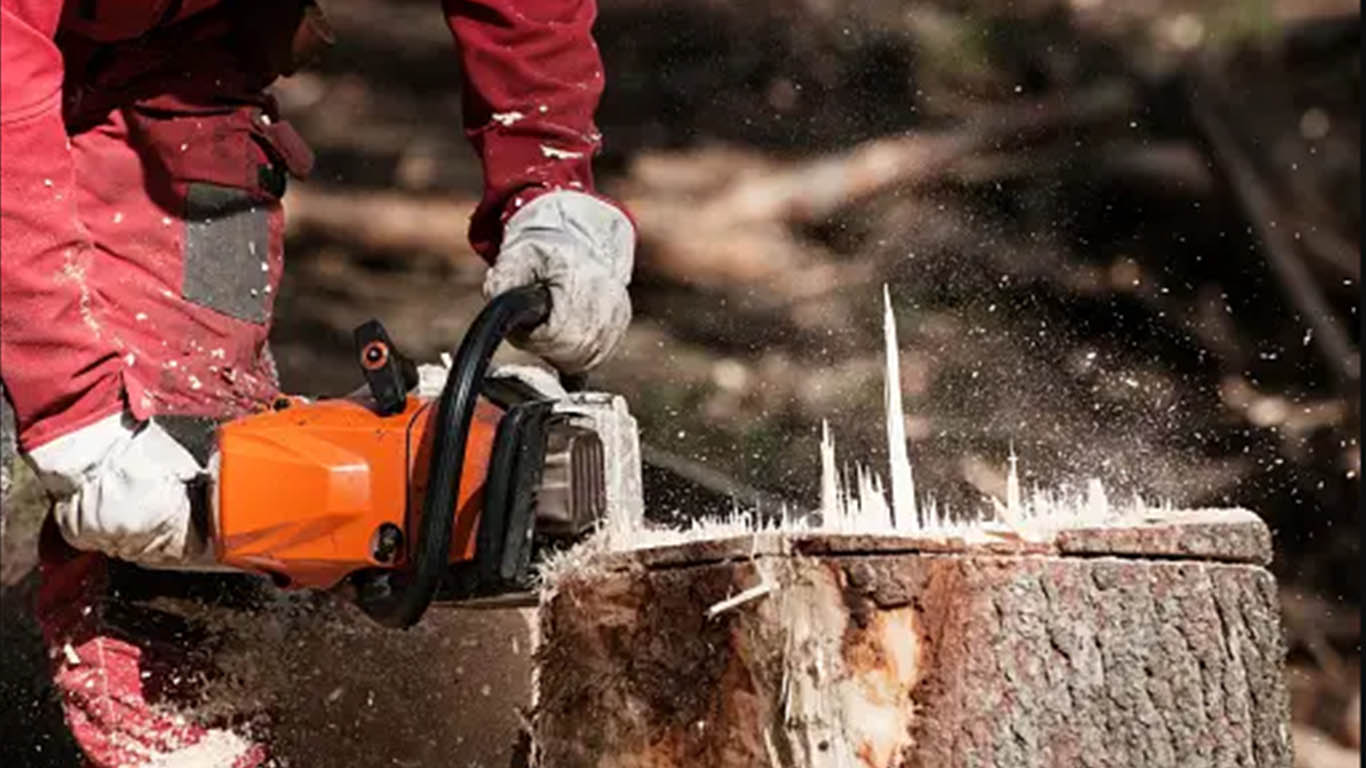
When it comes to maintaining the beauty and safety of your property in Beaverton, Oregon, tree removal is a service that may become necessary at some point. Whether you’re dealing with a hazardous tree or simply want to clear space for new landscaping, understanding the process and costs associated with tree removal is crucial.
Dealing with Tree Root Removal in Beaverton, Oregon
Tree removal isn’t just about cutting down a tree; it often involves dealing with tree roots as well. In Beaverton, Oregon, where trees can have extensive root systems, addressing this aspect is essential. Roots can infiltrate foundations, damage underground utilities, or become a tripping hazard in your yard. Here’s what you need to know about tree root removal in Beaverton:
- Assessment and Planning: Before any tree removal work begins, a professional arborist will assess the tree and its root system. They’ll determine the best approach for removal, taking into consideration the tree’s size, location, and potential impact on nearby structures.
- Root Pruning: In some cases, rather than complete removal, root pruning may be a viable option. This involves selectively cutting and removing specific roots to mitigate potential damage while allowing the tree to remain in place. Root pruning requires skill and precision to ensure the tree’s health.
- Stump Removal: Once the tree is removed, the stump and remaining roots often need attention. Stump grinding is a common method used to remove the stump and grind down the larger roots below the surface, allowing for smooth landscaping or replanting.
Factors Influencing Costs in Beaverton, OR
Tree removal expenses can fluctuate due to several key factors:
- Tree Size and Type: Larger or denser trees with extensive root systems often incur higher removal costs.
- Location: Trees near structures or power lines necessitate careful removal, potentially increasing expenses.
- Complexity: The removal’s intricacy, encompassing root extraction, stump grinding, and debris cleanup, can impact overall costs.
- Permits and Regulations: Compliance with local regulations and tree preservation ordinances may necessitate permits or approvals, contributing to the expense.
- Accessibility: Easily accessible trees generally incur lower costs, while hard-to-reach trees may require specialized equipment, raising expenses.
- Additional Services: Opting for extras like stump removal or root pruning will augment the overall project cost.
- Obtaining quotes from multiple reputable tree removal firms in Beaverton, Oregon, is crucial. This empowers you to assess both pricing and services comprehensively, facilitating an informed decision.
Tree removal, particularly concerning tree roots, holds significant importance for property upkeep in Beaverton, Oregon. Profound comprehension of the process and cost-influencing factors enables you to make a judicious decision when the need for tree removal arises. Collaborate with experienced and certified professionals to guarantee secure and efficient tree removal services in Beaverton.
by admin | Jul 19, 2023 | Leaf Removal
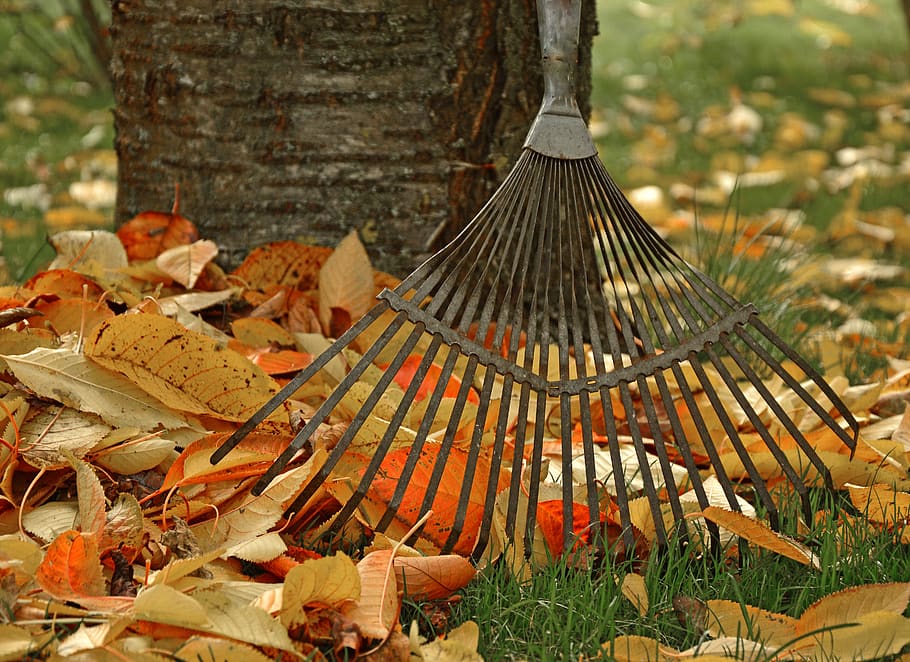
A leaf-free lawn is crucial for keeping its beauty and aesthetic appeal. As the seasons change, leaves tend to build up, requiring the utilization of expert leaf removal services. Budgeting demands a grasp of the costs of leaf removal.
Various Factors to Consider Regarding Leaf Removal
A range of factors determine the cost of leaf removal services. The cost is significantly affected by the dimensions of your outdoor space and the volume of leaves that accumulate. A wider lawn or one with a lot of leaves usually calls for more time and effort, which can result in more expensive service prices. Furthermore, the cost associated with different leaf removal techniques, such as raking, blowing, vacuuming, and mulching, may range. Every approach varies in terms of efficiency, equipment demands, and labor intensity, all of which have an impact on service cost.
Accessibility and Obstacles Come into Play
Accessibility and obstructions additionally impact the cost of leaf removal. The cost is influenced by your property’s accessibility as well as the existence of obstacles such as trees, hedges, or landscaping elements. Difficult-to-reach areas or productivity obstacles might require a greater amount of effort, leading to better service and pricing.
What is Better Flat or Hourly Rates?
When considering expert leaf removal services, it is essential to take into account the pricing structure. Certain companies impose per-hour charges, while others offer fixed costs. Understanding the pros and drawbacks of each option is necessary for effective planning. Hourly pricing may be less expensive for tiny yards, whereas fixed charges may be chosen for bigger yards with consistent leaf collection.
Choose from Bundled Services or Packages
In addition to the standard leaf removal service, several businesses offer extra services and bundles. Such services include gutter maintenance, lawn cutting, and trash disposal. Consider bundled packages or add-on services for ease and potential cost savings, especially if you need many services at the same time.
DIY for Budgeting Homeowners
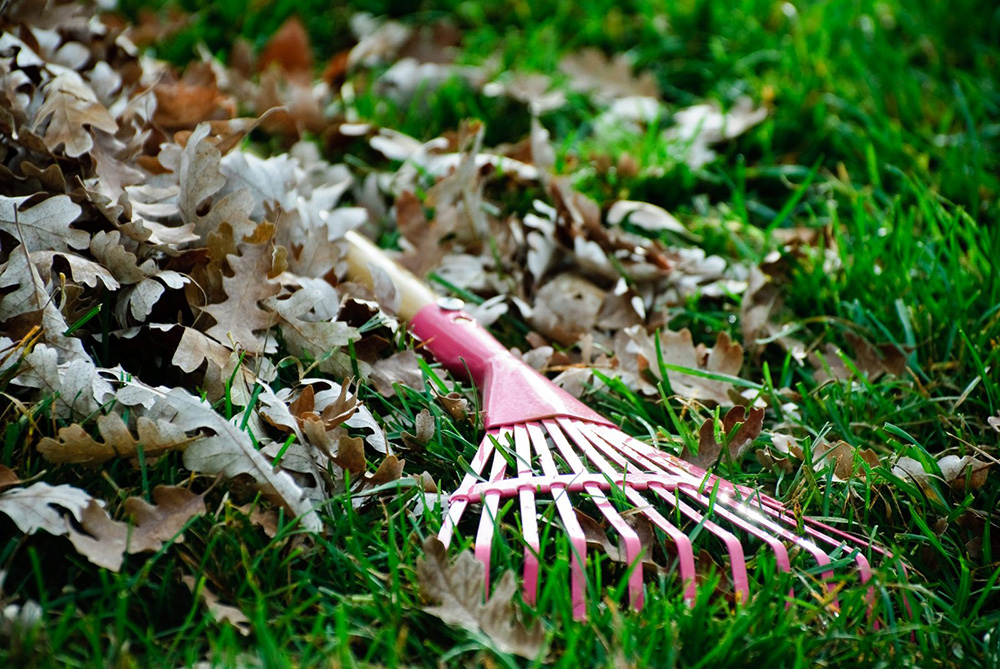
Budgeting entails weighing the costs of professional leaf removal services versus the financial burden of doing it yourself. If you want to handle your leaf removal, you need to factor in the expense of equipment and supplies. Rakes, leaf blowers, bags, and other machinery may quickly add up, especially when you don’t have them yet. Furthermore, DIY leaf removal involves a substantial expenditure of time and effort. Assessing the worth of your time and factoring in additional duties could help you in determining whether hiring professionals is a cheaper option.
Ask for Quotes and Compare
When budgeting for leaf removal services, there are a few factors to consider. Obtaining multiple quotes from diverse service providers allows you to compare prices and services. Analyze each company’s reputation, reliability, and customer feedback to guarantee quality and value for your purchase. Regular maintenance can also assist to minimize excessive leaf buildup, making subsequent cleanups more efficient and less expensive. In addition, soliciting recommendations and referrals from friends, neighbors, or local gardening communities may lead you to reputable and cost-effective leaf removal services, which are typically accompanied by added peace of mind and possible savings.
Budgeting for a leaf-free lawn necessitates considering an array of variables that impact the cost of professional leaf removal services. By looking at yard size, leaf buildup, removal strategies, accessibility, cost estimates, and comparing DIY options, homeowners can make educated choices while staying within their budget. With careful planning, frequent maintenance, and the right service provider, you can have a leaf-free lawn without breaking the bank.
by admin | Jun 30, 2023 | Arborist, Trees
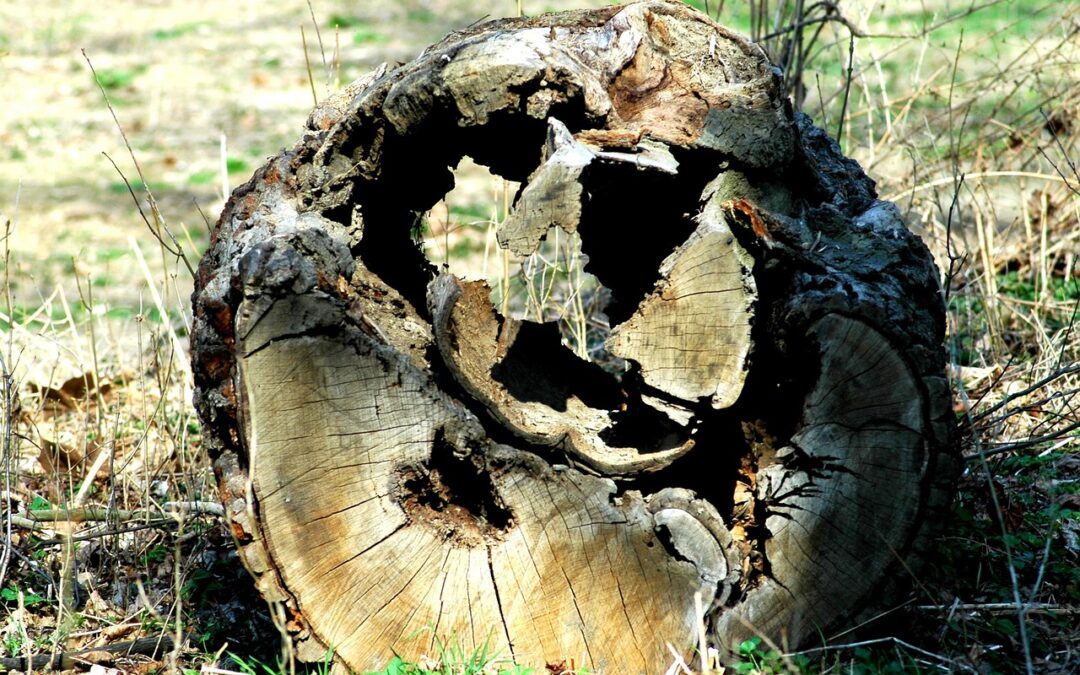
Arborists play a critical role in the health and lifespan of trees. Arborists understand the specific demands of various species of trees and may give useful insights on improving their lifespans and vigor. In the following paragraphs, we will look at four significant subareas that highlight critical arborist advice for preserving tree health.
They Studied Tree Biology and Species-specific Needs
Arborists emphasize the significance of understanding tree biology to ensure effective care. They recognize that each tree species has specific requirements, such as preferred soil conditions, sunlight exposure, and water needs. By identifying the unique characteristics of different trees, arborists can tailor their care strategies accordingly. They consider factors such as the tree’s growth habits, root system, and natural habitat to provide optimal conditions for long-term health.
Implementation of Proper Pruning Techniques
Pruning is an essential practice for maintaining tree health and structural integrity. Arborists possess the expertise to identify and remove dead, damaged, or diseased branches, which can negatively impact a tree’s health. They also understand the significance of strategic pruning to enhance air circulation, promote proper growth, and reduce the risk of structural failure. By following industry-standard pruning techniques, arborists can contribute to the overall vigor and longevity of trees.
Extensive Knowledge Regarding Soil Management and Nutrient Optimization
Arborists understand the importance of soil in tree health. They analyze soil to identify its chemistry, moisture level, and nutrient levels. Arborists could recommend proper soil changes or mulching methodologies based on the findings that improve soil structure, aeration, and nutrient availability. Arborists assist trees survive diseases, insect infestations, and environmental hazards by supplying suitable nutrients.
Integrated Pest and Disease Management
Arborists are well-versed in identifying and mitigating pest infestations and diseases that can threaten tree health. They employ integrated pest management strategies that focus on prevention, monitoring, and treatment. Arborists emphasize the use of environmentally friendly approaches, such as biological controls and targeted treatments, to minimize the impact on beneficial organisms and overall ecosystem health. By effectively managing pests and diseases, arborists safeguard tree vigor and contribute to their longevity.
Arborists may effectively boost the longevity and vigor of trees by recognizing the unique demands of various tree species, establishing suitable pruning techniques, tracking soil health, and employing comprehensive disease and pest control methods. If you struggle or have concerns related to tree health, it is recommended to see a professionally certified arborist who can give tailored guidance and preserve the health of your trees.
by admin | Feb 10, 2022 | Tree Removal
Trees are the tallest living organisms on earth, and as such they have many natural benefits. They provide lower blood pressure due to their large size; increased focus & concentration because of fewer distractions from other sources (such electric wires); better relaxation when sitting beneath one in a forest or park environment with birds chirping around you — this is especially true if there’s rain outside! However sometimes trees pose hazards too-like those that could fall onto your house during high wind gusts where professionals will be able remove them safely without damaging anything else around…
When a tree is leaning, rotting or growing into power lines and other dangerous territory it can quite quickly go from the gentle giant to an harrowing hassle. No more low blood pressure for you! If one falls on your home they will almost certainly wreak thousands in damage – this time prevention is worth all that cure so we do what needs done before its too late: call professional arborists who know how remove these hazardous species without risking anyone’s life. When living in Phoenix AZ – you could do a simple tree services search like tree removal in phoenix to get a local arborist.
When you need a tree removed, there are many reasons why.
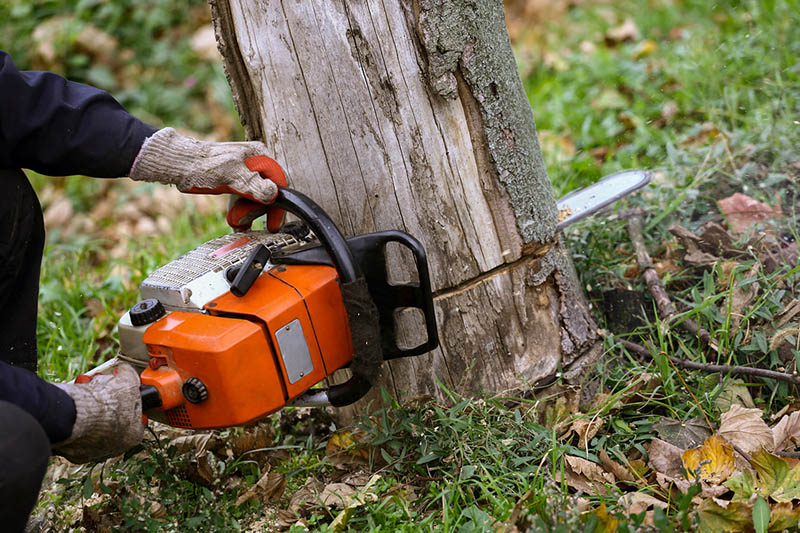
From winter snow storms that might trigger falls to spring’s gentle winds which can suddenly unleash an already weakened branch into disaster; summer termites swarming out of control–to autumn pulling back resources due both internal and external factors-it pays off in advance when planning ahead for what may happen during any given season!
You can always get rid of a tree by cutting off its branches and leaves, but this may damage or kill the plant. If you have an unhealthy one that’s overgrowing into power lines or growing right next door to where it risks blocking traffic on roads – call professionals for help with removal!
Insurance and bonding are two good reasons why you shouldn’t risk it if the tree is too high for your skills. Insurance will cover any damage done to other objects around its base, like power lines or roofing shingle siding . And when there’s a significant risk of injury from falling branches in addition to everything else-well then we’re talking about something much more serious than just needing some trimming!
When it comes to the safety of our customers and employees, we take insurance seriously. For those who work on private property or are in public places with large trees around them (such as parks), this means that if something happens and they’re injured because their own actions led up too an accident then there’s usually no Cover- accusations like these could result into huge lawsuits filed by both sides which would ultimately waste money better spent elsewhere – We want everyone covered so going through life without adequate protection isn’t possible!
by admin | Jan 19, 2022 | Eucalyptus Tree, Tree Services, Trees
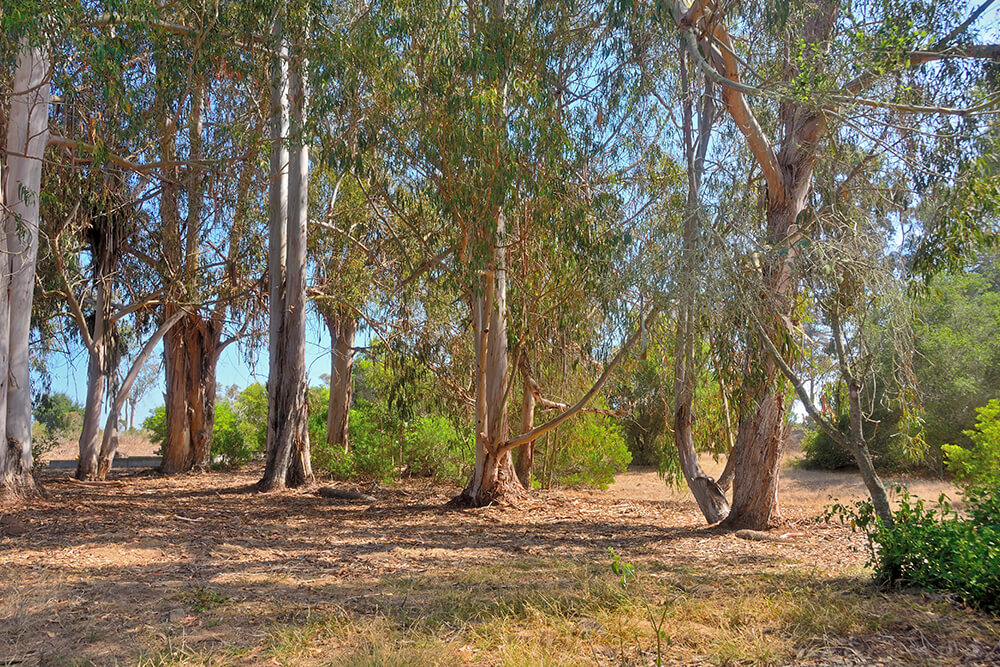
The eucalyptus tree, often found in San Diego and other regions of the world with warm climates is a renowned source for its many benefits. Looking for Tree Services in San Diego area? The most notable being that it’s instrumental to providing shelter from strong winds as well protection against rainstorm floods thanks largely due this sturdy wooded plant’s height which can reach up 60 feet tall.
Ever wonder why the eucalyptus tree is so prevalent in San Diego? There are a few reasons for its abundance, but overall it has been said that this species prefers warmer climates.
The eucalyptus tree has been around for centuries, first brought here by the Spanish to be used as a tie railway. It’s natural habitat is in warm climates with high humidity and temperate conditions like those found near San Diego where this plant multiplied wildly due its love of rich soil which it appears not much else cared about besides being moistened often enough.

You might have seen this tree before because it’s often found around urban areas such as homes and businesses. When the branches start to break off, you can fix them by trimming their base so they don’t grow too far apart in height or spread outwards from center-Ville (if possible). If not then just cut away some wood until everything fits nicely again.
When a tree becomes invasive, it can cause major damage to the landscape and can even get into sewer pipes. The usual cure for this is removing any root ball with stump grinding or using an treated substance that will keep its shape after being ground up by machinery while still holding onto some nutrients so new plants don’t need as much sunlight than normal ones would but they should always be planted far apart otherwise there’ll just continue being more dead space where once was green because these roots are going everywhere.
The Eucalyptus tree is often infested with a variety of insects, including the longhorn bore beetle and Lerp Psyllid. The hard-to-detect insect can be seen on its underside as white spots but may also cover nearly every surface throughout leaf tissues–a telltale sign that something isn’t right!
If you notice these signs or your favorite plant has been infected by anything harmful please contact us immediately so we’ll get rid of any pests before they do more damage to this beautiful species This passage discusses how two specific types (insects) within our ecosystem preyed upon one another while also mentioning what type(s) would likely cause problems if left unchecked.